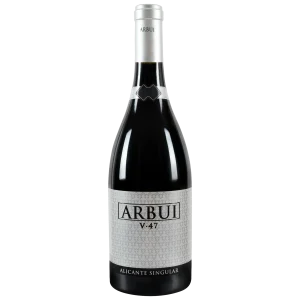
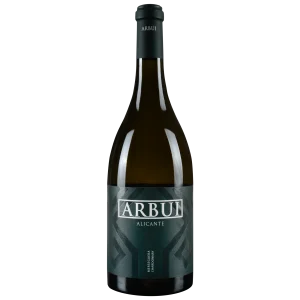
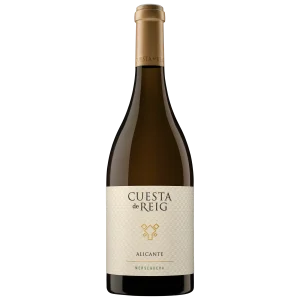
If you think red wine will always be red and white wine will always be yellow, you're only seeing the surface. The color of wine reflects its evolution, but also unexpected factors that can completely change its hue. Beyond aging and maturation, there are lesser-known elements that affect the color of a glass and can surprise even the most experienced wine connoisseurs.
1. The color may change within minutes.
Have you ever poured a glass of wine and, after a few minutes, noticed that its color seems different? This isn't an optical illusion, but a real effect caused by rapid oxidation. Red wines contain anthocyanins, pigments that react with oxygen and can cause the color to intensify, become more opaque, or even acquire orange highlights. Some white wines, on the other hand, can darken slightly in a matter of minutes if they haven't been stored properly.
2. Temperature also affects the wine
If you chill a red wine too much, it can appear duller and less vibrant. At low temperatures, the pigments contract and reflect less light, making the color appear more opaque. Conversely, a wine that is warmed too much can appear cloudier, especially if it has sediment in suspension.
3. The crystals of the glass deceive the eye
The same wine can look different depending on the glass it's served in. Glasses with a slight tint (even imperceptible to the naked eye) can alter our perception of color. An experiment conducted by visual perception experts showed that red wines served in glasses with a slight blue tint appeared darker than those served in completely transparent glasses.
4. The light in the room changes everything
If you observe a wine under natural light, its color may appear vibrant and clear, but under warm artificial lighting (like that found in many wineries and restaurants), white wines can appear more golden and red wines more opaque. The reason lies in the way the light hits the pigments and the reflections it creates in the glass.
5. A white wine can turn pink (and it's not a rosé)
This is a rare but fascinating phenomenon: some white wines, especially those made with certain grape varieties like Chardonnay or Sauvignon Blanc, can acquire a slight pinkish hue if they have been exposed to certain phenolic compounds during fermentation. This usually occurs due to slight oxidation or contact with the grape skins for a longer than usual period.
Conclusion: Don't trust the color alone
The color of wine is a clue, but not an absolute truth. It can change in minutes, depending on the light, the glass, or even the temperature. The next time you pour a glass, experiment: observe it under different conditions and discover how the same wine can look different depending on the environment.
So yes, the color of wine isn't what you think. Or at least, it's not as simple as it seems.