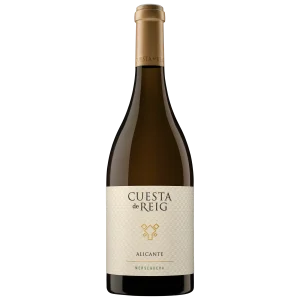
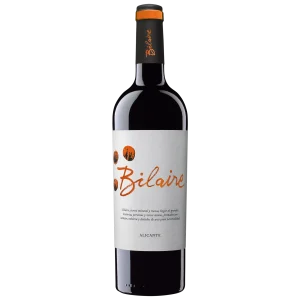
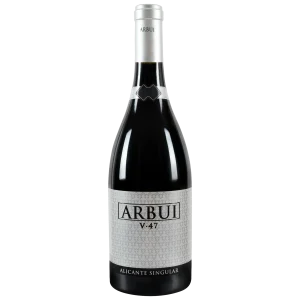
Bottling is the final great stage in winemaking, but what few people know is that changes can occur during this process that affect its flavor, aroma and evolution in time.
One of the key factors is the oxygen. During bottling, the wine comes into contact with a small amount of oxygen, which can cause a controlled micro-oxygenation. This affects its structure, allowing some aromas to develop and the tannins to soften, especially in wines with greater aging potential. However, if the amount of oxygen is not carefully controlled, the wine could oxidize prematurely.
Another determining factor is the cork, which allows for slight interaction with the outside. A high-quality cork regulates this exchange, helping the wine to mature slowly in the bottle and enhancing its characteristics over time.
Furthermore, there is a phenomenon called bottling shock, where the wine may seem temporarily off or with less aromatic expression. This happens because, after being bottled, it needs a period of rest to regain its balance. In many cases, a newly bottled wine does not show its true character until after a few weeks or months.
So the next time you open a bottle, remember that even after leaving the cellar, the wine continues alive and evolving, preparing to offer their best version at the right time.